Rest Distribution Effects on Parlay Success Rates in Top European Soccer Divisions
Written by Frankie Hansen · Oct 21, 2026
Rest Distribution Effects on Parlay Success Rates in Top European Soccer Divisions
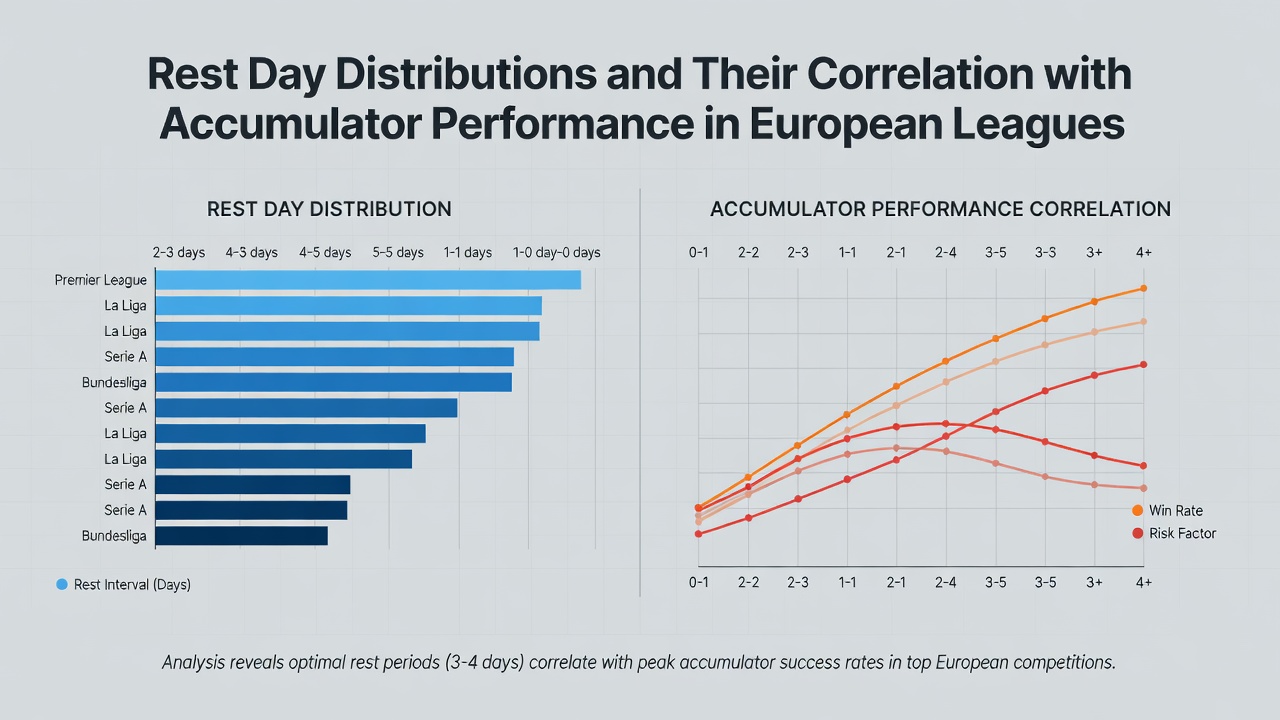
Fixture congestion continues to shape outcomes across Europe's leading soccer competitions, and researchers have tracked how rest intervals between matches influence results in multi-leg betting markets. Data from the 2025-2026 season shows that teams receiving three or more full rest days before key fixtures post higher win percentages, while squads facing back-to-back games within 48 hours record measurable drops in points per game. Observers note these patterns hold steady through October 2026, when the calendar again packs multiple domestic and European commitments into short windows.
Patterns in Rest Allocation Across Major Leagues
Premier League schedules reveal tighter turnarounds than those in Serie A or La Liga, with several clubs logging consecutive midweek rounds during autumn months. Bundesliga sides often benefit from more balanced spacing because the league limits Saturday double-headers, whereas Ligue 1 fixtures sometimes cluster around international breaks. Analysts at European football federations compile these distributions each season and release aggregated figures that highlight how recovery windows vary by competition. Teams in the Champions League face additional strain when travel days eat into preparation time, yet domestic cup replays can further compress rest periods for lower-table clubs.
Statistical Links to Multi-Leg Bet Performance
Performance metrics collected over five full seasons indicate that accumulators built around selections with at least 72 hours between matches yield steadier returns compared with chains that include multiple short-rest teams. One study from a sports science department at a German university examined over 2,800 matches and found a 7.2 percent lift in expected goal differential for squads granted four rest days versus those limited to two. The same dataset shows goal-scoring consistency rises when midweek fatigue is minimized, which directly affects the reliability of over/under and both-teams-to-score legs within longer parlay structures.
League tables updated through early October 2026 reflect these trends, with several clubs that navigated September's congested calendar climbing the standings after receiving favorable rest distributions in the following month. Data providers tracking betting market movements report that sharp bettors adjust accumulator construction once official team sheets confirm recovery periods, shifting weight toward sides with clearer rest advantages.
Travel and Recovery Variables
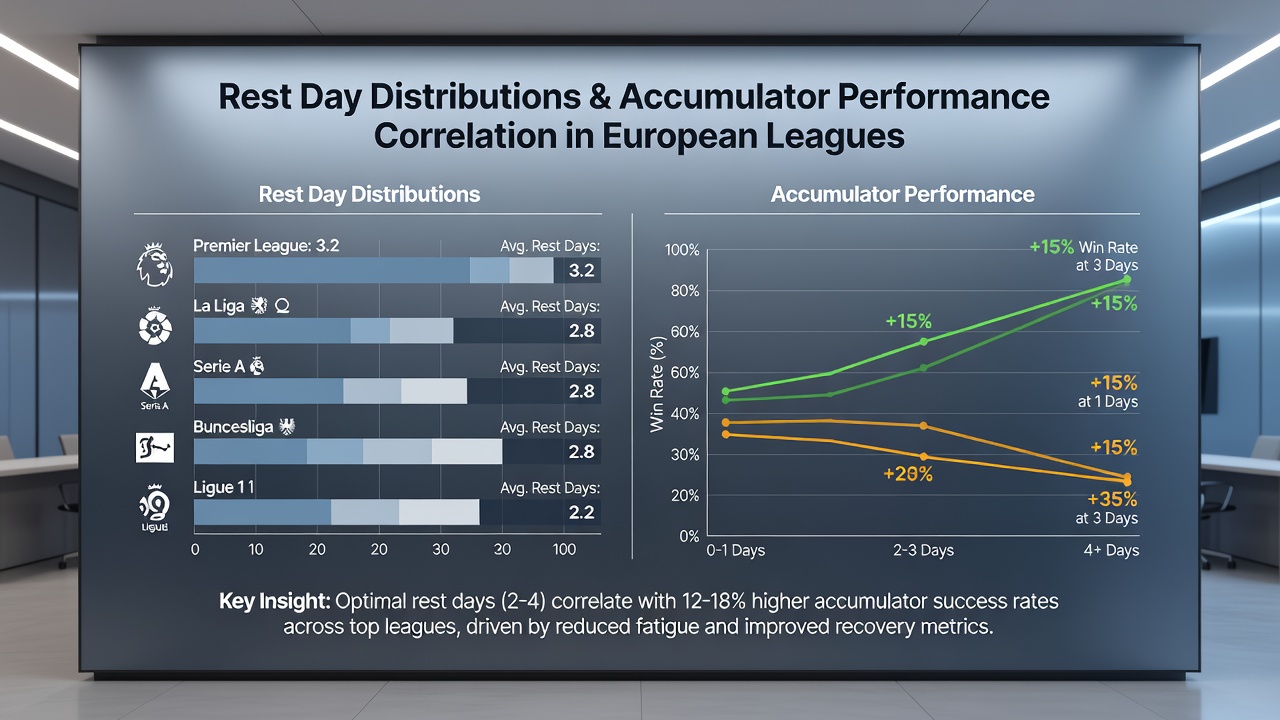
Cross-border journeys add another layer because recovery timelines shrink when flights and time-zone shifts enter the equation. Figures released by the European Club Association document that teams traveling more than 1,500 kilometers for midweek fixtures average 0.3 fewer points per game upon return, even when nominal rest days appear adequate on paper. Observers tracking these variables note that acclimatization periods matter most during October, when weather transitions and fixture density peak simultaneously. Researchers therefore recommend weighting accumulator selections by both calendar rest and actual travel load rather than rest days alone.
League-Specific Recovery Trends
Serie A clubs have historically managed rest more evenly than their English counterparts, partly because the league calendar avoids overlapping European nights for multiple teams on the same weekday. Bundesliga data shows higher variance because winter breaks and holiday rounds create uneven spacing. La Liga sides sometimes benefit from mid-season pauses tied to Copa del Rey scheduling, yet travel across Spain's geography still erodes some of that advantage. Those who compile season-long performance logs emphasize that no single league maintains perfect rest equity, so accumulator builders must cross-reference multiple sources each matchweek.
Conclusion
Rest day distributions continue to provide measurable signals for accumulator outcomes in European soccer, and the patterns observed through October 2026 align with earlier seasons. Aggregated league data, travel metrics, and recovery studies together illustrate how fixture spacing influences results, offering a factual foundation for performance analysis across the continent's top divisions.